

Lymphedema
Signs, Symptons, and Treatment
What is lymphedema?
Lymphedema is essentially chronic swelling that requires life long management.
It consists of abnormal accumulation of protein rich fluid that occurs because lymphatic vessels or nodes have been damaged or formed incorrectly. Lymphedema is a common side effect of cancer treatments such as node removal/biospy or radiation. There are many other causes of lymphedema.
Factors that contribute to lymphedema include:
surgery
radiation therapy
infections
venous insufficiency
venous stasis ulcers
renal failure
cardiac conditions
diabetes
obesity
sedentary lifestyle
cancer
trauma to lymphatic system
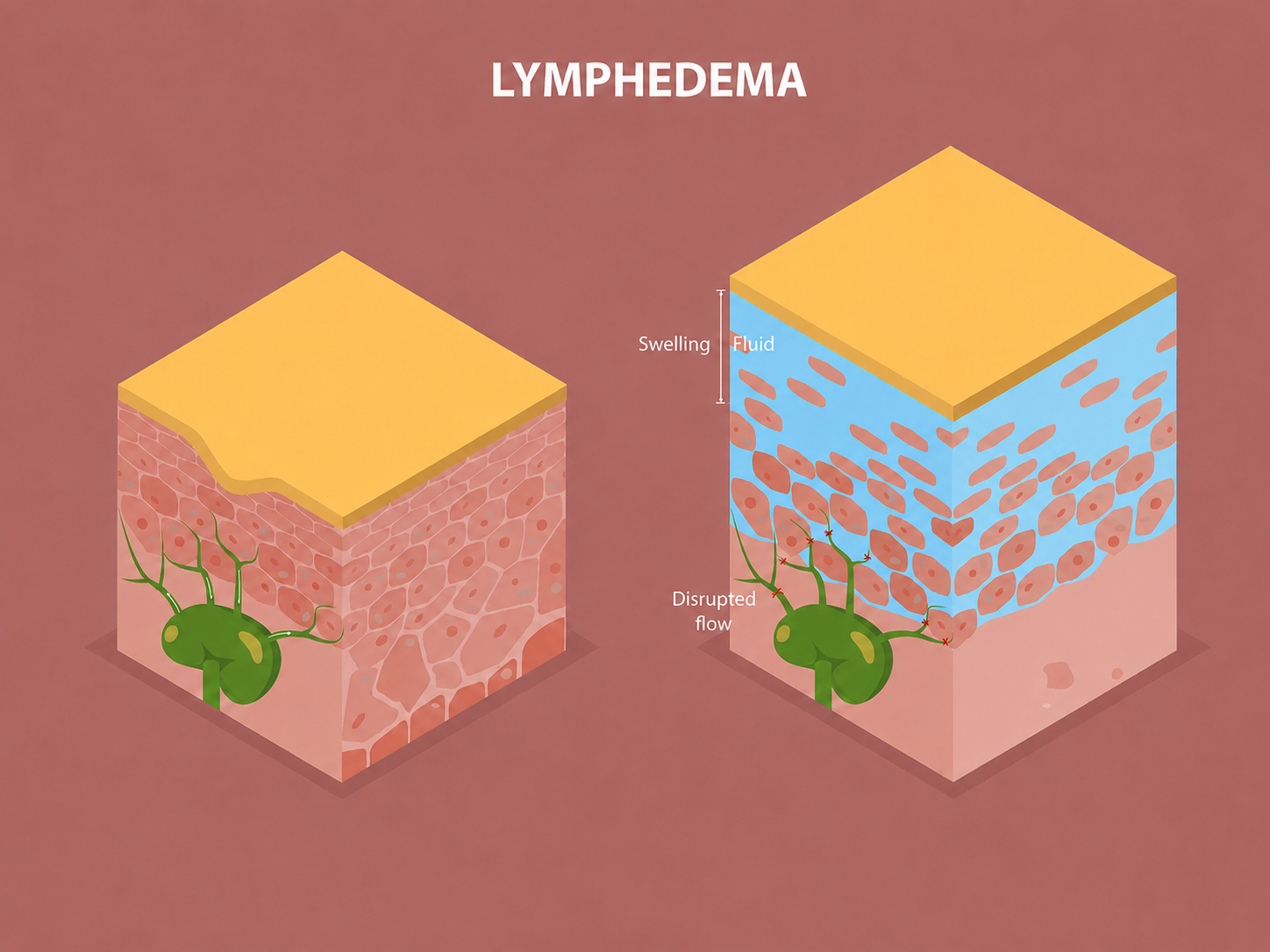
In healthy tissue, the lymphatic system continuously collects and transports excess fluid and proteins from the spaces between our cells. With lymphedema or during acute edema, lymphatic transport becomes impaired and this fluid is not cleared efficiently.
Protein-rich fluid accumulates between the tissue cells, expanding the spaces between them and causing swelling. If this congestion persists, chronic inflammation can gradually contribute to tissue thickening and fibrosis.
Precautions when you have lymphedema:
-
Even and gradient compression is indicated for lymphedema but avoid uneven compression that creates tourniquets as that impairs lymph flow and can lead to skin break down.
-
Protect your skin. Keep it clean and hydrated with lotion that does not contain fragrances. Always promptly care for cuts or scrapes, use sunscreen and insect repellent, and try to avoid burns or injuries to the affected area. Skin damage can increase inflammation and infection risk. People with lymphedema have an increased risk of cellulitis.
-
Be cautious with excessive heat. Hot tubs, saunas, very hot baths, ect. Prolonged heat exposure can increase blood flow and temporarily worsen swelling for some people. This does not necessarily mean they are universally forbidden; patients should monitor how their body responds.
-
Walking, ankle pumps, arm movement, and other muscle activity help promote lymphatic flow.
The lymph system does not have a heart in the same way that the circulatory system has. Lymphatic flow is dependent on muscle pump action in order to move fluid through system.
I always say - if you body is not moving, the lymph is not moving.
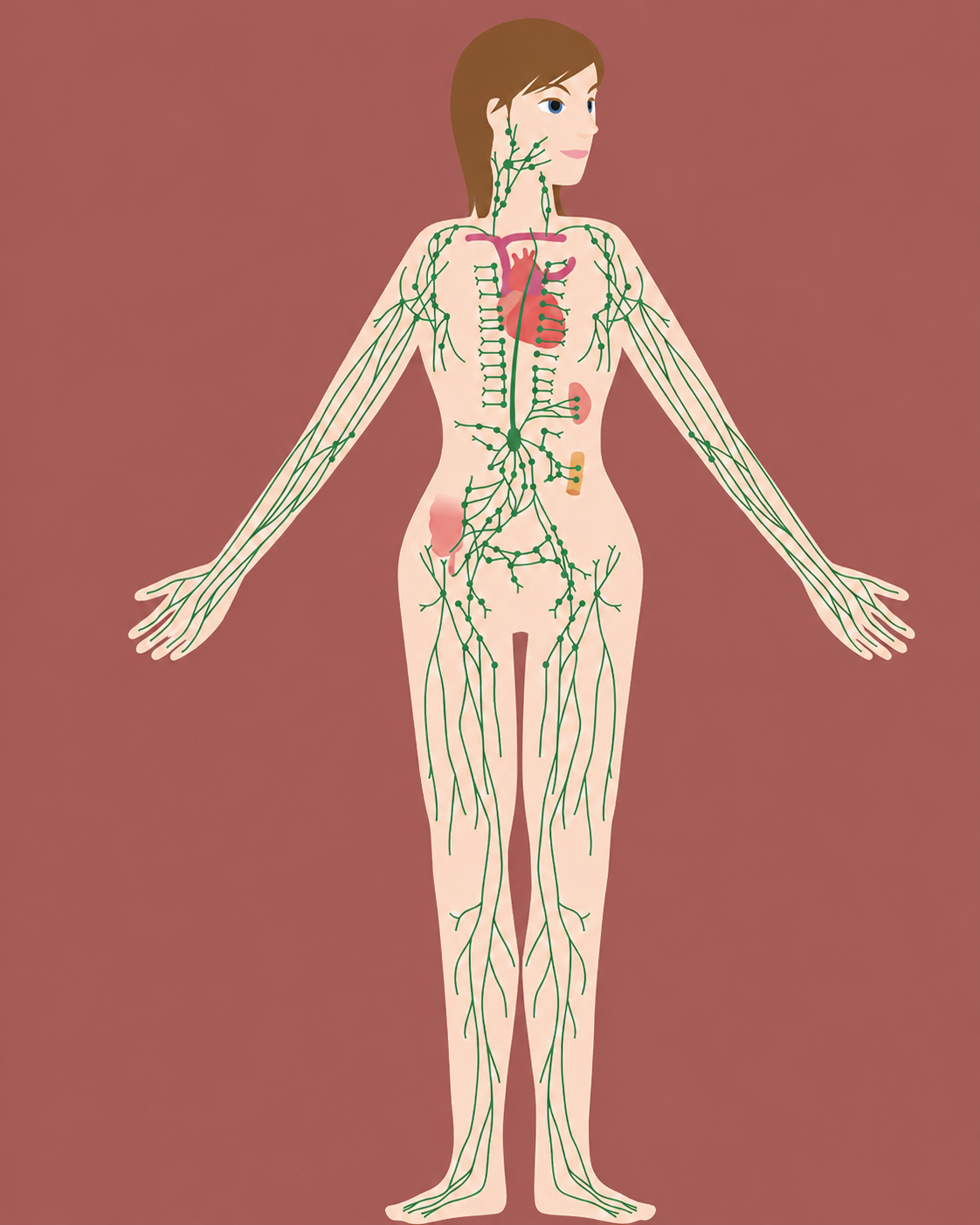
Lymph system comprises of:
lymph fluid which contains, fat, proteins, cellular waste, water, inflammatory products, and other substances such as bacteria and debris when infection is present.
Lymph capillaries are tiny vessels that collect lymph fluid from the tissues and carry them into the lymphatic system.
Lymph collectors and vessels which are pathways that transport lymph fluid from the tissues back toward the bloodstream.
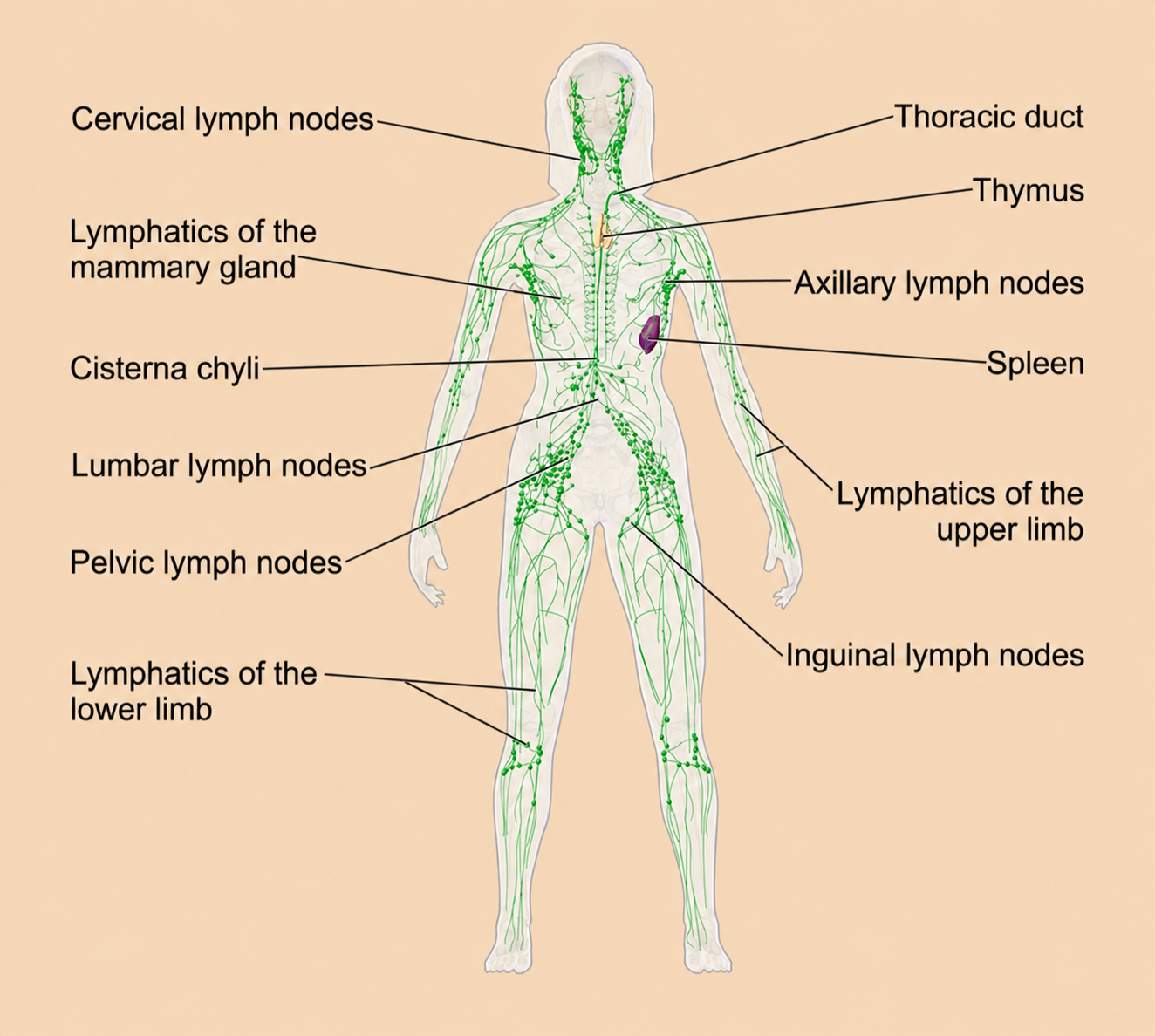
Lymph nodes which are located throughout the body (with larger clusters in the neck, armpits, chest, abdomen, pelvis, and groin), filter lymph fluid and help the immune system identify and fight infection.
Lymphatic tissues and organs, including the thymus, spleen, tonsils, and red bone marrow. They help produce, mature, and support immune cells that protect the body from infection and disease.
What is lymphedema therapy?
Lymphedema therapy is a combination of techniques to manage edema called complete decongestive therapy (CDT) which includes
manual lymphatic drainage massage (MLD)
compression wrapping and garment fittings
exercises
skin care
self care strategies.
Lymphedema therapy can be beneficial for those with lipedema, lymphedema, vascular conditions, post surgery swelling, cancer related swelling, and radiation fibrosis.
Components of lymph therapy can be utilized for cosmetic and plastic surgery recovery. They have different goals however.
manual lymphatic drainage massage (MLD) is a gentle massage technique that involve skin stretching to redirect fluid from your tissues to lymph nodes so it can be processed by your organs and excreted through sweat and urine. It does not feel like a regular massage because it utilizes light pressure because the lymphatics are located right under the skin.
Where does lymphedema develop?
Lymphedema usually affects arms or legs but it can also develop in any area of the body. After cancer treatments, for example, lymphedema can develop in the breast, chest, underarm due to breast cancer, or abdomen, genital area due to pelvic or lower extremity cancer, and in the neck and face.
Lymphedema can develop due to other conditions that place a strain on the lymphatics including lipedema, chronic venous insufficiency, and congestive heart failure.
What are the complications of lymphedema?
The lymphatic system is essentially the garbage disposal of our body so when lymphatic fluid is stuck between the cells, that fluid is the perfect medium to grow bacteria. This causes a high risk for infection. If you have lymphedema, any time an infection may be suspected, immediate attention is demanded as these infections can be dangerous. The most common infections in people with lymphedema are cellulitis and erysipelas. Always keep skin clean and hydrated to avoid possible infection and always be looking out for the signs and symptoms of infection.
S/S of infection include:
increased pain
increased erythema (redness)
increased temperature (skin feels hot to touch)
weeping/open area
increased swelling
fever or flu like symptoms
*if you are suspecting an infection, please consult with your doctor or go to an urgent care/ER for immediate medical attention.
Where don’t you use heavy oils to perform lymphatic massage?
One of the most common questions I get is: “Why doesn’t this feel like a typical massage and where are the oils?”
-The answer comes down to how the lymphatic system actually works. MLD is works when a light pressure is precising applied to stretch the skin. The lymphatic system sits just beneath the skin, much more superficial than muscles. When oil is applied it causes a “slip” over the skin which in turn reduces traction making it harder to activate the lymph vessels. Lymphatic system is very delicate and MLD may “feel” ineffective because it feels different than your typical deep tissue massage but light, precise, and intentional strokes towards the areas of drainage is purpose driven and effective.
Every part of the technique is intentional and designed to support your body’s lymphatic system.